


Extreme Series
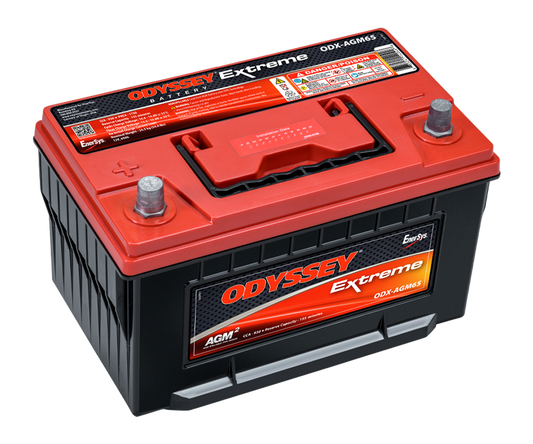
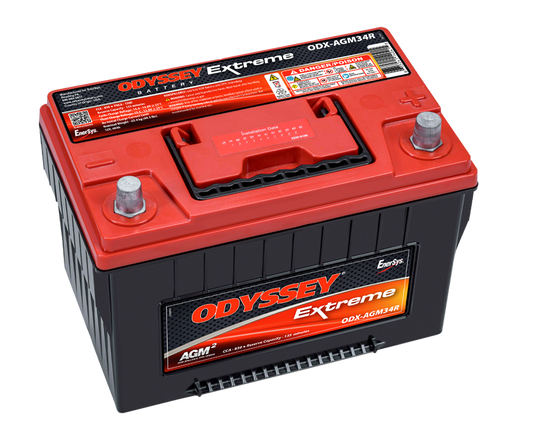
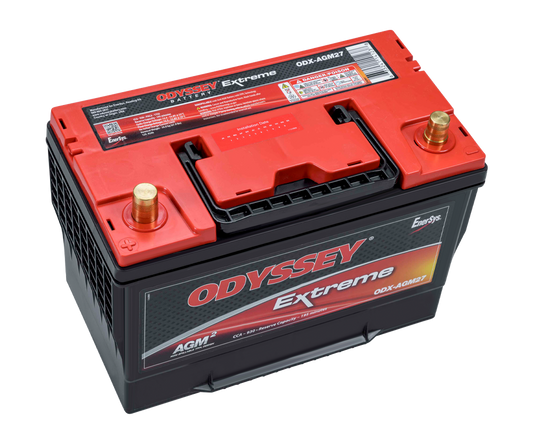
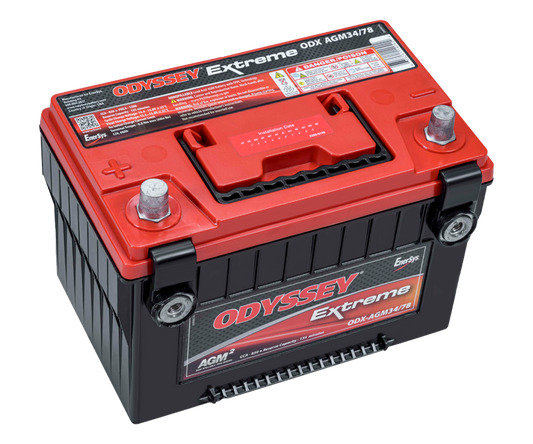
- 2× Power & 3× Life: Outlasts and outperforms standard batteries.
- Massive Cranking: Over 2,000-amp engine-starting pulses.
- Deep Cycling: Rated for up to 400 cycles.
- Heavy-Duty Use: Built for trucks, marine, RVs, and generators.
- Ultimate Reliability: Designed for mission-critical performance.

Powersports
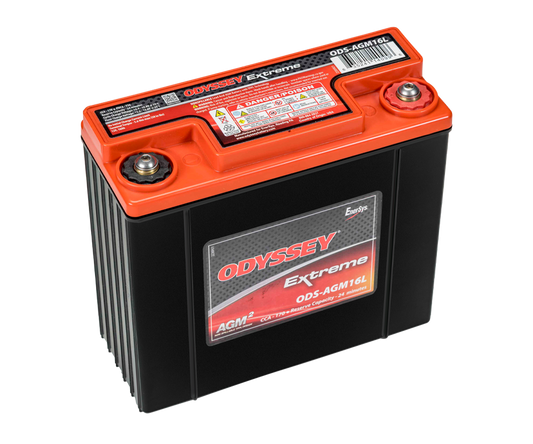
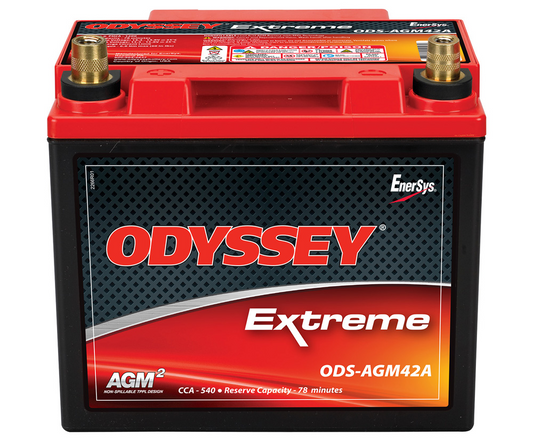
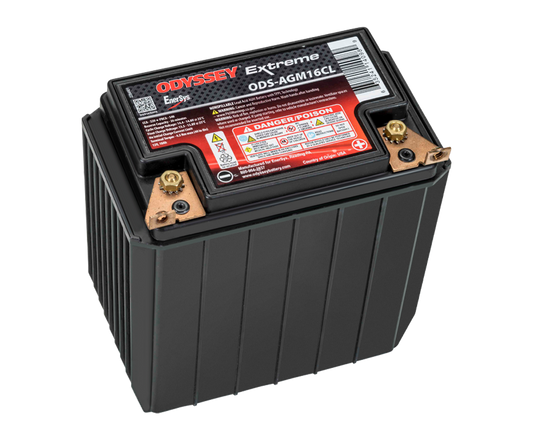
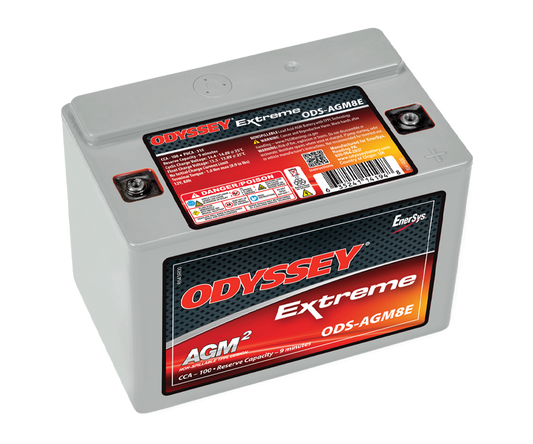
TPPL Technology: Pure-lead power in a compact case.
Tough Build: Lightweight, vibration-resistant, and impact-ready.
Versatile Fit: Ideal for motorcycles, ATVs, UTVs, and watercraft.
Reliable Starting: Guaranteed ignition for powersports and portable generators.
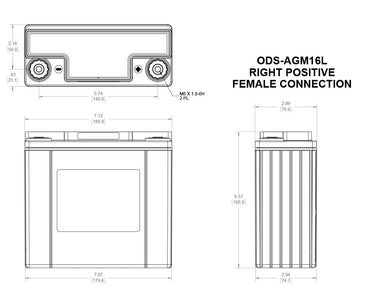
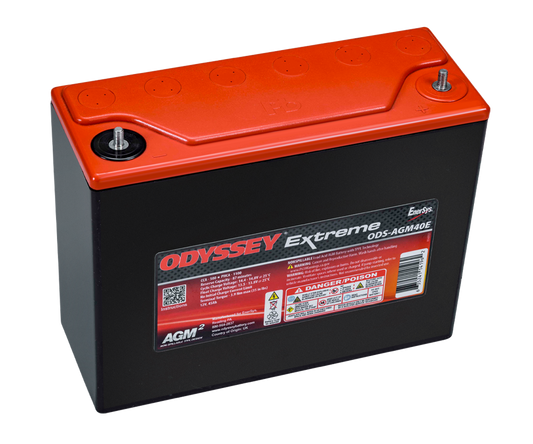

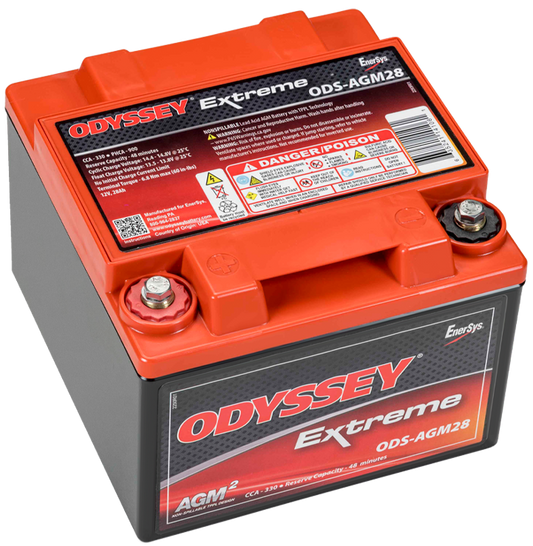
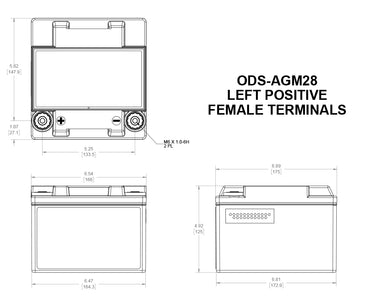



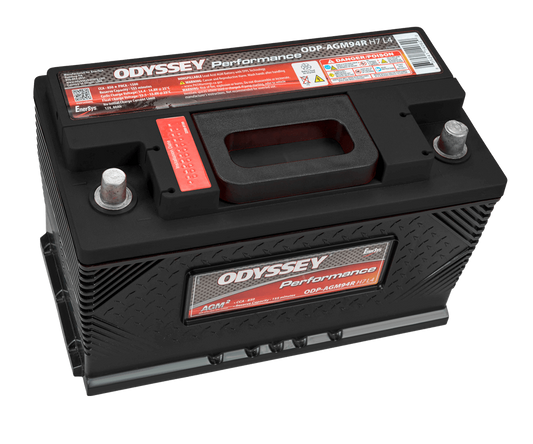
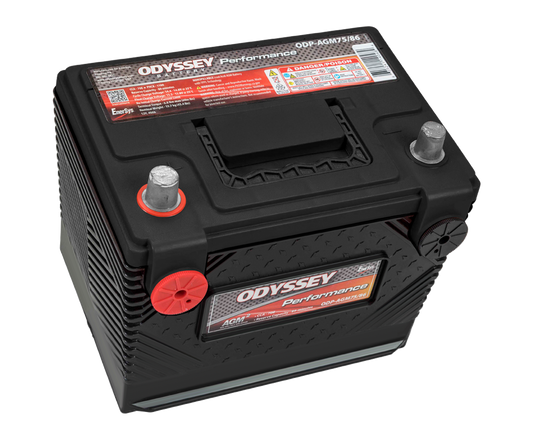
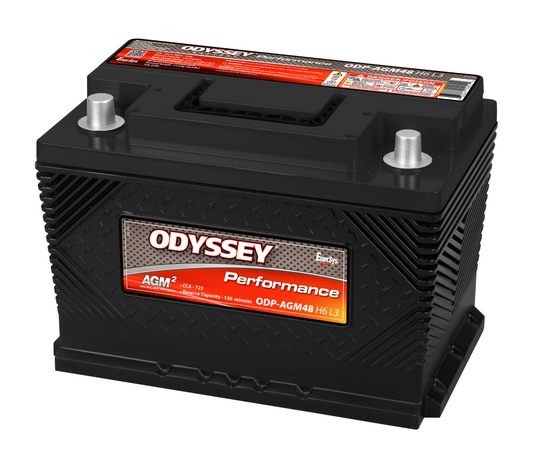
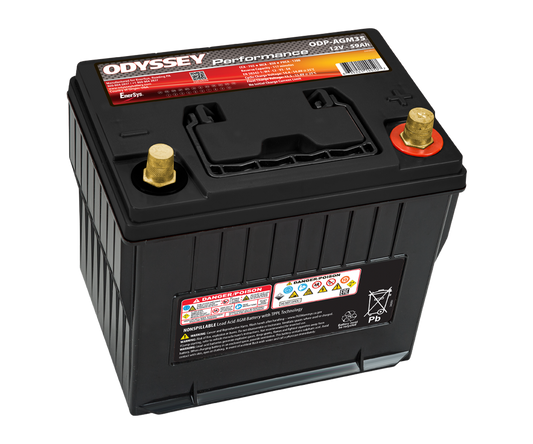
Performance
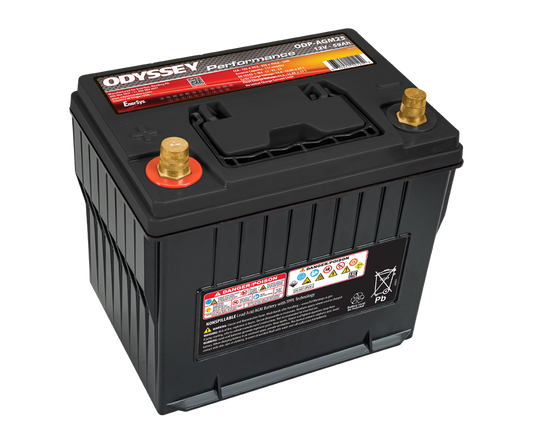
Optimized Balance: Combines starting power, reserve capacity, and deep cycling.
TPPL Reliability: Faster recharges and longer life than standard batteries.
Daily Versatility: Perfect for cars, trucks, SUVs, and marine/RV use.
Performance Fit: Delivers stronger starts in a wide range of applications.



Hold Down Kits
-
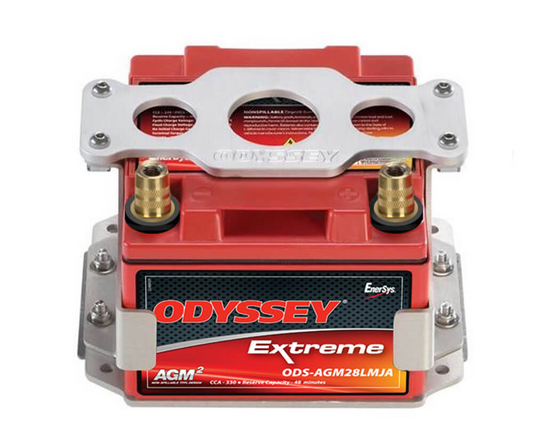 WCB | West Coast Batteries
HK 925
Regular price $174.85Sale price $174.85 Regular priceUnit price per -
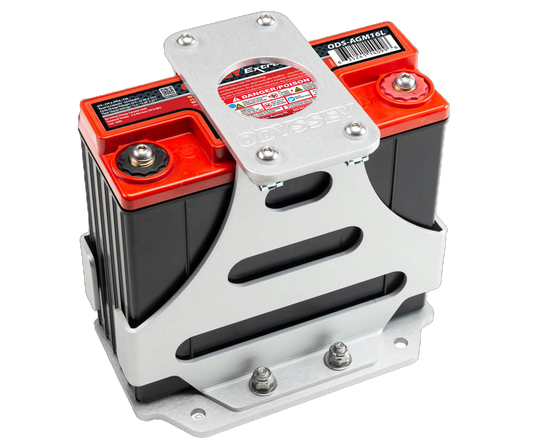 WCB | West Coast Batteries
HK 680
Regular price $138.48Sale price $138.48 Regular priceUnit price per -
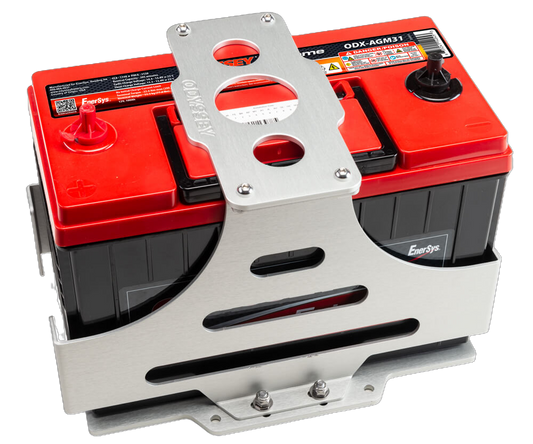
-
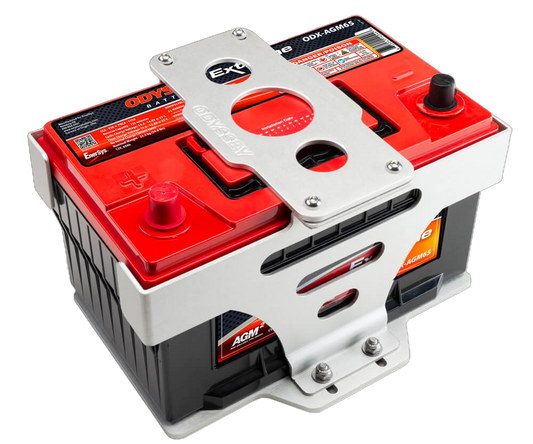
-
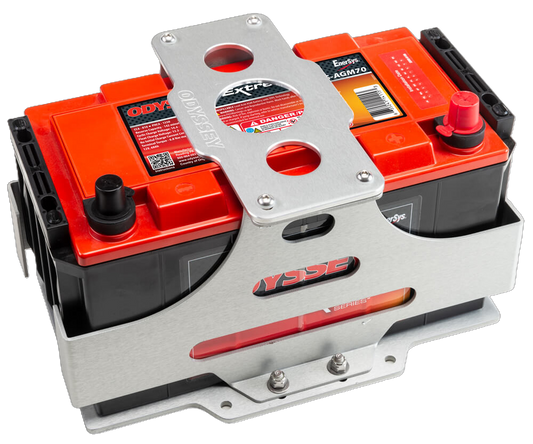 WCB | West Coast Batteries
HK 1700
Regular price $185.08Sale price $185.08 Regular priceUnit price per -


Why Odyssey from WCB
Your battery logistics partner: from same-day pickup to pallet drop-shipping, we simplify procurement and minimize your downtime.


Warranty and Returns
Manufacturer Backed: All warranty claims are handled directly through EnerSys, the global leader in stored energy solutions, ensuring professional and reliable support.
FAQs
What makes Odyssey batteries different from a standard AGM battery?
Odyssey batteries use TPPL (Thin Plate Pure Lead) construction — thinner
plates made of 99.99% pure lead instead of the lead-alloy plates found
in standard AGM designs. More plates fit in the same case, which means
more plate surface area, lower internal resistance, and higher power
density. In practice, that translates to three things standard AGM can't
match: faster recharge after deep discharge, better performance when
the battery spends time at a partial state of charge (which is how most
real-world batteries actually operate), and significantly longer cycle
life under repeated deep discharge. A standard AGM improves on flooded
battery reliability. Odyssey improves on standard AGM performance — it's
the difference between a battery that handles starting well and one
that can sustain serious electrical work.
Is an Odyssey battery worth the investment over a standard AGM?
That depends entirely on how the battery is used. If your vehicle is a
stock daily driver with no aftermarket electrical modifications and you
just need reliable starting, a standard AGM like Tazuma handles that
well. Odyssey earns the investment when the application demands more
than baseline AGM can deliver — and the payoff is measurable. For
vehicles with winches, aftermarket lighting, high-draw audio, or any
setup that uses accessories with the engine off, TPPL construction
provides the faster charge recovery and sustained output that prevents
the gradual underperformance and premature failure that standard AGM
batteries experience in these roles. On the cost-of-ownership math:
Odyssey Extreme batteries carry a warranty up to 4 years, and real-world
service life in demanding applications often reaches 3–5 years —
compared to 1–2 years for a standard AGM pushed beyond its design
limits. A battery replaced once in four years costs less than two or
three batteries replaced every 12–18 months, plus you avoid the downtime
and inconvenience of repeated failures.
What's the difference between Odyssey Extreme (ODX) and Odyssey Performance (ODP)?
Both Odyssey Extreme and Odyssey Performance use TPPL construction —
they share the same core technology. The Extreme series (ODX) delivers
the highest CCA ratings in each group size, offers the widest operating
temperature range (–40°F to 176°F), and is available with a metal jacket
option for severe-duty and mission-critical applications. Extreme
batteries carry up to a 4-year warranty for engine starting in BCI/DIN
sizes. The Performance series (ODP) covers the broadest range of BCI
group sizes and delivers strong CCA ratings at a slightly lower output
than Extreme, with an operating range of –40°F to 140°F and warranties
up to 3 years. For most automotive, marine, and commercial applications,
ODP provides the full TPPL performance advantage. ODX is the choice
when you need maximum power output, extreme temperature tolerance, or
the longest warranty coverage available.
What vehicles and applications do Odyssey batteries fit?
Odyssey covers over 20 standard BCI group sizes — the widest AGM
coverage available through WCB. Common automotive groups include 24,
24F, 34, 35, 47, 48, 49, 65, 78, and 94R, covering popular vehicles from
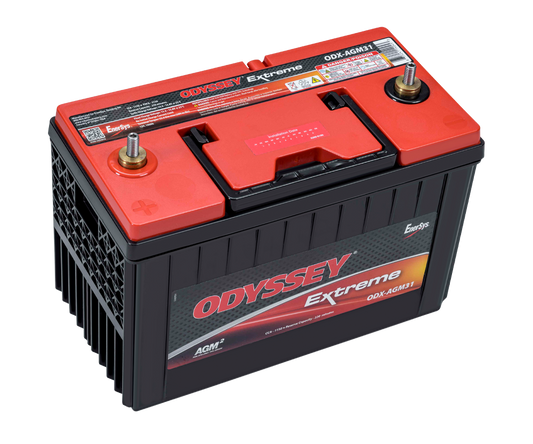
domestic, Asian, and European manufacturers. Group 31 batteries serve
commercial trucks, fleet vehicles, marine, and RV applications. The ODS
(Sport) series covers powersport form factors for motorcycles, ATVs, and
UTVs. Odyssey also serves industrial, UPS, rail, and military
applications. Use our "Find Your Battery" tool or contact us at (951) 736-3530 to confirm the right group size and series for your specific vehicle or equipment.
What is the warranty on Odyssey batteries?
Odyssey warranty coverage depends on the series and how the battery is
used. Odyssey Extreme (ODX) batteries carry a 4-year free replacement
warranty for engine starting in BCI or DIN group sizes, 3 years for
commercial, industrial, marine, or auto starting in non-BCI/DIN sizes,
and 2 years for APU, backup, or non-engine-start cycling. Odyssey
Performance (ODP) batteries carry 3 years for commercial, industrial,
marine, and auto start, and 2 years for APU or backup cycling. All
warranty coverage applies to the original purchaser only, is
non-transferable, and requires proof of purchase or a valid date code.
Claims are processed through West Coast Batteries — we handle all the
EnerSys warranty paperwork.
What charger should I use with an Odyssey battery?
AGM and TPPL batteries require precise voltage control during charging —
using a generic charger without an AGM-specific profile can overcharge
the battery and accelerate plate degradation, which is not covered under
warranty. WCB carries three Odyssey OBC chargers designed for this
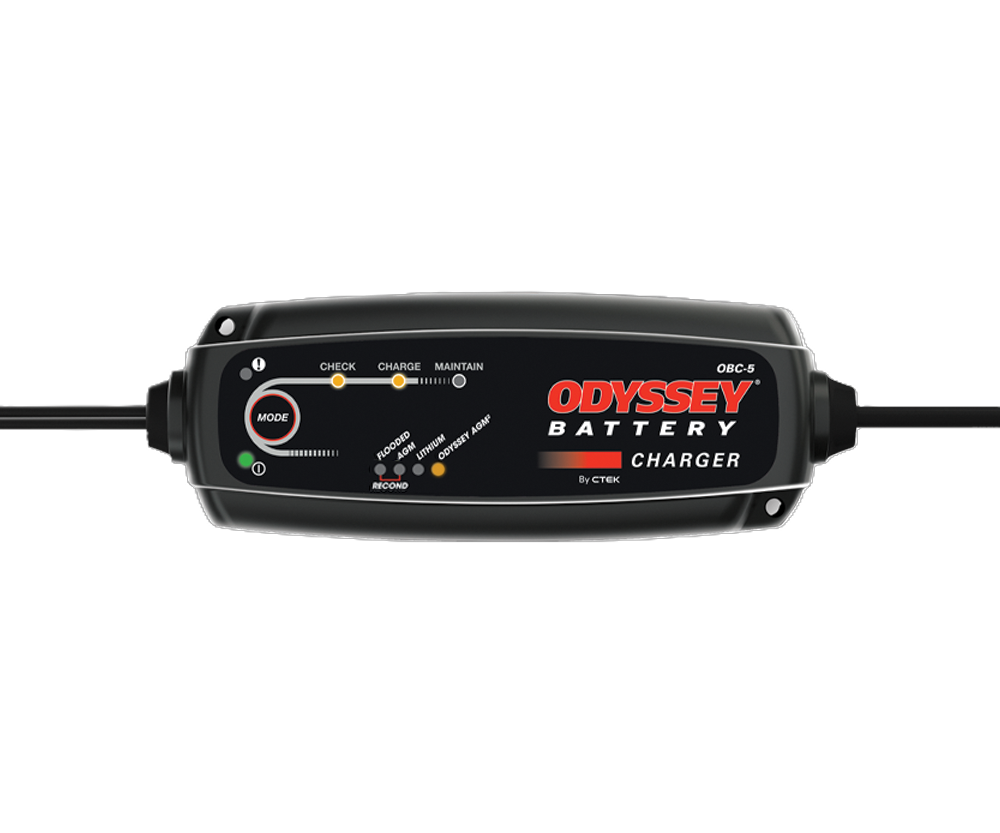
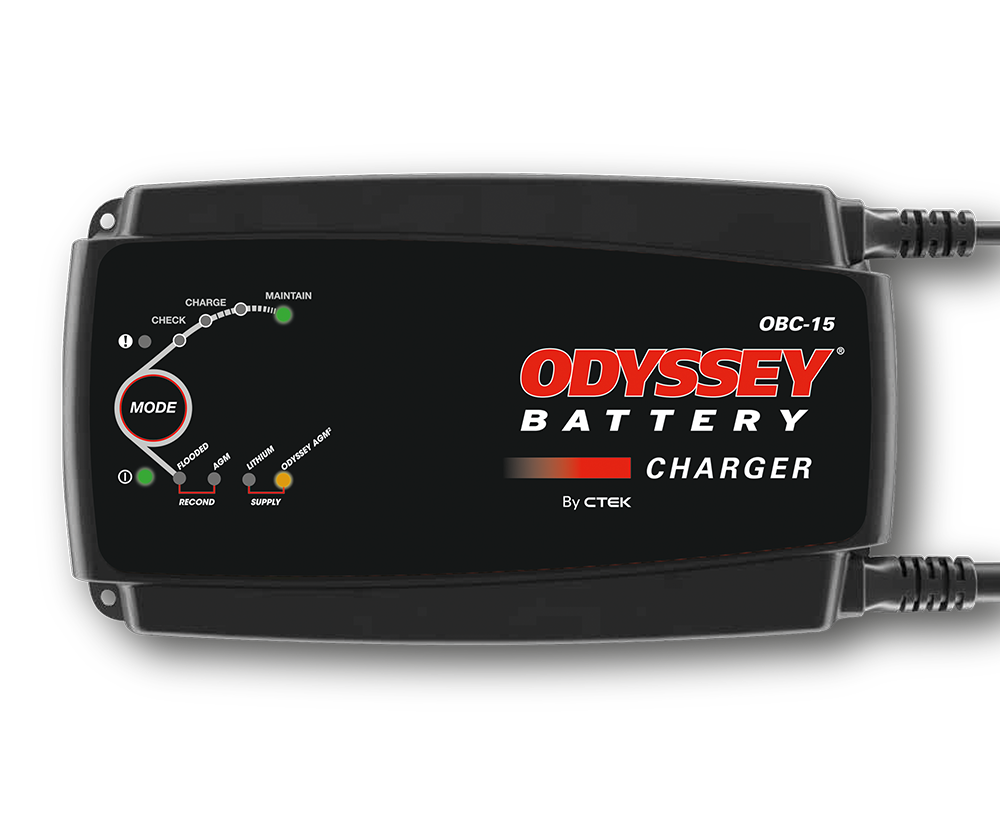
purpose. The OBC-5A is suited for maintaining single batteries or smaller group sizes. The OBC-15A handles most automotive and marine batteries and supports AGM, flooded, and LiFePO4 chemistries. The OBC-25A is built for larger Group 31 batteries and fleet or commercial applications where faster charge times matter.
I keep replacing my battery every 1–2 years. Would switching to Odyssey fix that?
In most cases, frequent replacement is a sign that the battery is being
asked to do work it wasn't designed for — not that the battery itself is
defective. The most common pattern we see: a vehicle with aftermarket
electrical accessories (winch, lighting, audio, auxiliary power) is
running a standard AGM or flooded battery. The battery handles starting
fine but can't sustain the deep discharge and recovery cycling that
accessories demand. It underperforms gradually — slower recovery,
inconsistent voltage, shorter life — until it's replaced. Then the cycle
repeats. Odyssey's TPPL construction is specifically engineered for
this kind of dual-purpose demand. It recovers faster after deep
discharge, tolerates partial state of charge better, and delivers more
usable energy under sustained load. If the root cause is a
design-to-application mismatch, upgrading to the right Odyssey is the
fix. If the root cause is a vehicle electrical system fault (parasitic
drain, alternator out of spec), that needs to be addressed first — no
battery will survive a system-level problem.
