


The Business Problem
Bad Inventory Management Causes Early Field Failures, Shortened Life, and Cashflow Drag
Many failures blamed on “bad batteries” are actually the result of how the battery was stored before installation — long before the technician ever touches it.
Common issues include:
-
Early field failures from extended low-voltage storage
-
Sulfation from sitting below proper state-of-charge (SOC)
-
Faster voltage decay in warm storage conditions
-
AGM and TPPL batteries shipped below recommended voltages
-
No FIFO rotation, causing older inventory to sit too long
-
No visibility into inventory age or stock movement
-
Inconsistent handling across multiple sites
And beyond the reliability impact, there’s a major financial consequence:
Decentralized inventory forces businesses to buy and hold more stock than necessary, tying up working capital across multiple locations.
This creates:
-
Batteries failing early despite correct installation
-
Increased technician callbacks and service delays
-
Higher warranty replacement activity
-
Capital trapped in slow-moving stock
-
Missed SLAs and operational disruptions
-
Customer frustration and declining confidence
Poor inventory discipline shortens battery life and slows cashflow across the entire operation.
The Best Practices That Keep Batteries Fully Charged, Field Ready, and Financially Efficient
WCB built a battery-specific inventory management system around forecasting, rotation, and electrical maintenance.
This protects battery health while improving inventory turns and freeing up customer cashflow.
1. Demand Forecasting + Safety Stock Modeling Based on Your Business
WCB uses only your SKU-level historical demand and your new-business pipeline to forecast what you actually need — and when.
This approach enables:
-
Stocking to real demand, not generic industry averages
-
Safety stock sized appropriately without over-buying
-
Better working capital efficiency
-
Improved inventory turns
-
Inventory movement aligned with proper charge-maintenance cycles
With better forecasting and right-sized safety stock, customers avoid excess purchases — and avoid the cash drain of inventory aging past its healthy window.
Better forecasting = better inventory turns = better cashflow.
2. First In, First Out (FIFO) Inventory Rotation
Batteries are time-sensitive assets.
First In, First Out (FIFO) rotation prevents long-term sitting and reduces voltage decay.
WCB tracks:
-
Date received
-
Charge level
-
Movement velocity
-
Rotation intervals
Older stock always moves first, protecting state-of-health (SOH) and reducing early field failures.
3. Scheduled Charge Maintenance
AGM and TPPL batteries require periodic charging to stay healthy.
WCB performs:
-
Routine voltage checks
-
Automatic identification of low-SOC units
-
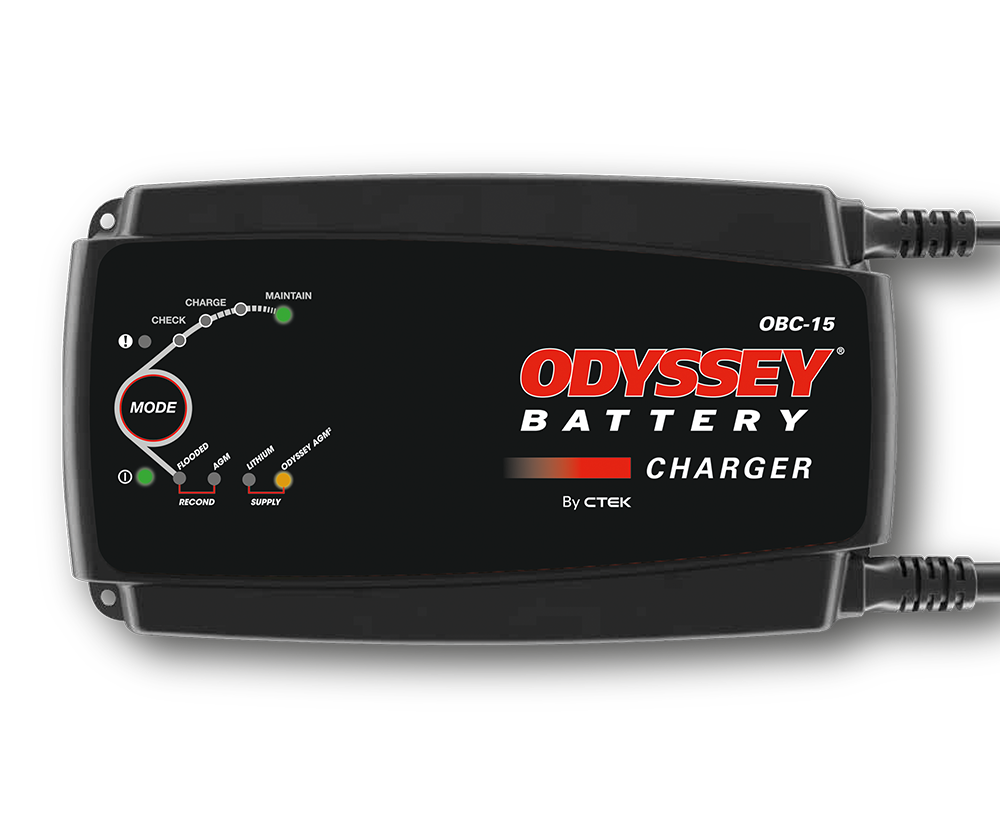
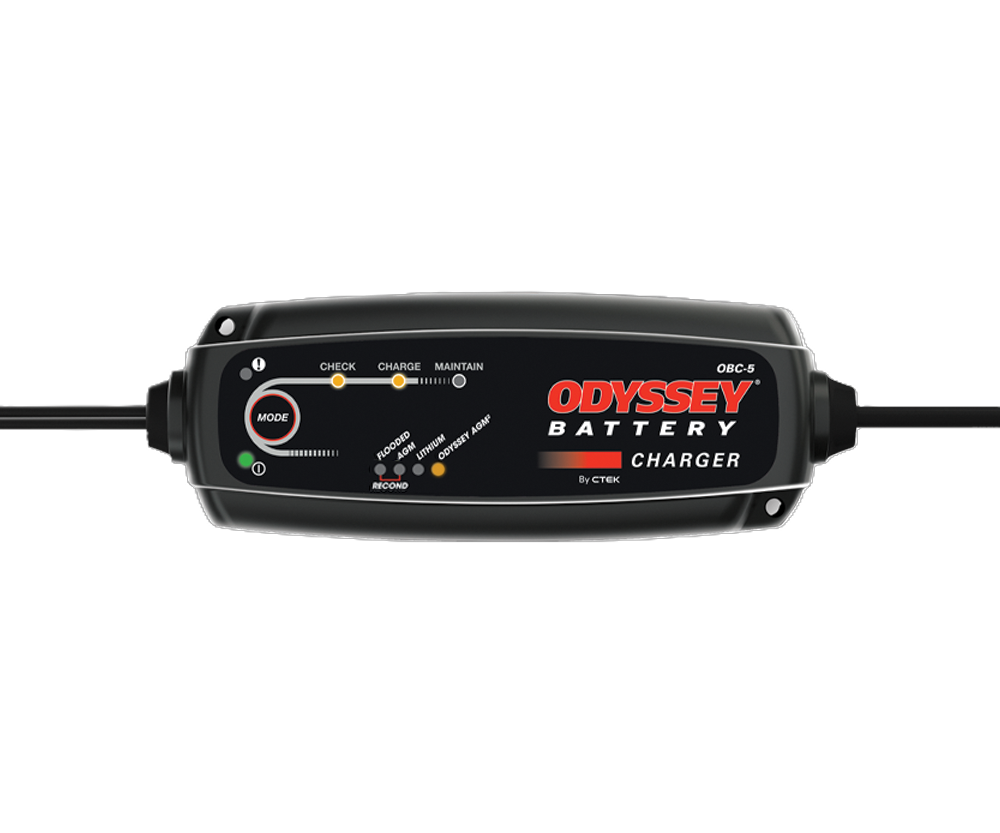
Controlled boosting with chemistry-appropriate chargers
-
Rest cycles to stabilize voltage
This maintains battery health throughout storage and reduces preventable degradation.
4. Final Charge Preparation Before Shipment
Before a battery leaves our facility, WCB completes a readiness cycle:
-
Verify SOC
-
Boost to full charge
-
Rest to dissipate surface charge
-
Confirm stable, installation-ready condition
This ensures every battery arrives Fully Charged and Field Ready.
5. Centralized Storage and Delivery to Reduce Risk and Improve Cashflow
Decentralized storage forces each location to hold its own “just in case” battery inventory — tying up cash and increasing the risk of improper charge maintenance.
WCB reduces this risk through centralized inventory management:
-
All batteries stored and maintained in one consistent environment
-
Charge maintenance and rotation performed uniformly for every unit
-
No variation in handling from site to site
-
Custom delivery programs supply distributed locations only when needed
-
Field sites carry minimal on-hand inventory
By reducing the need for local stocking, businesses improve cashflow and reduce the risk of early field failures caused by unmanaged inventory.
Customers buy less, hold less, and rely on WCB for readiness — not their own storage rooms.
The Bottom Line
When inventory is managed correctly:
-
Batteries arrive fully charged and ready
-
Early field failures drop sharply
-
Installations happen without delay
-
Warranty replacements decline
-
Technician return visits decrease
-
Inventory turns improve
-
Less capital sits on shelves
-
Customer confidence rises
WCB maintains one standard:
Every battery ships Fully Charged and Field Ready — supported by inventory systems that protect your performance and your cashflow.
Ready to Talk About a Fulfillment or Distribution Program?
WCB partners with manufacturers, battery specialists, retailers, and service companies to design custom solutions for ecommerce, inventory management, and distribution.
Reach out to our team:
Contact Us
Phone: 951-736-3530

